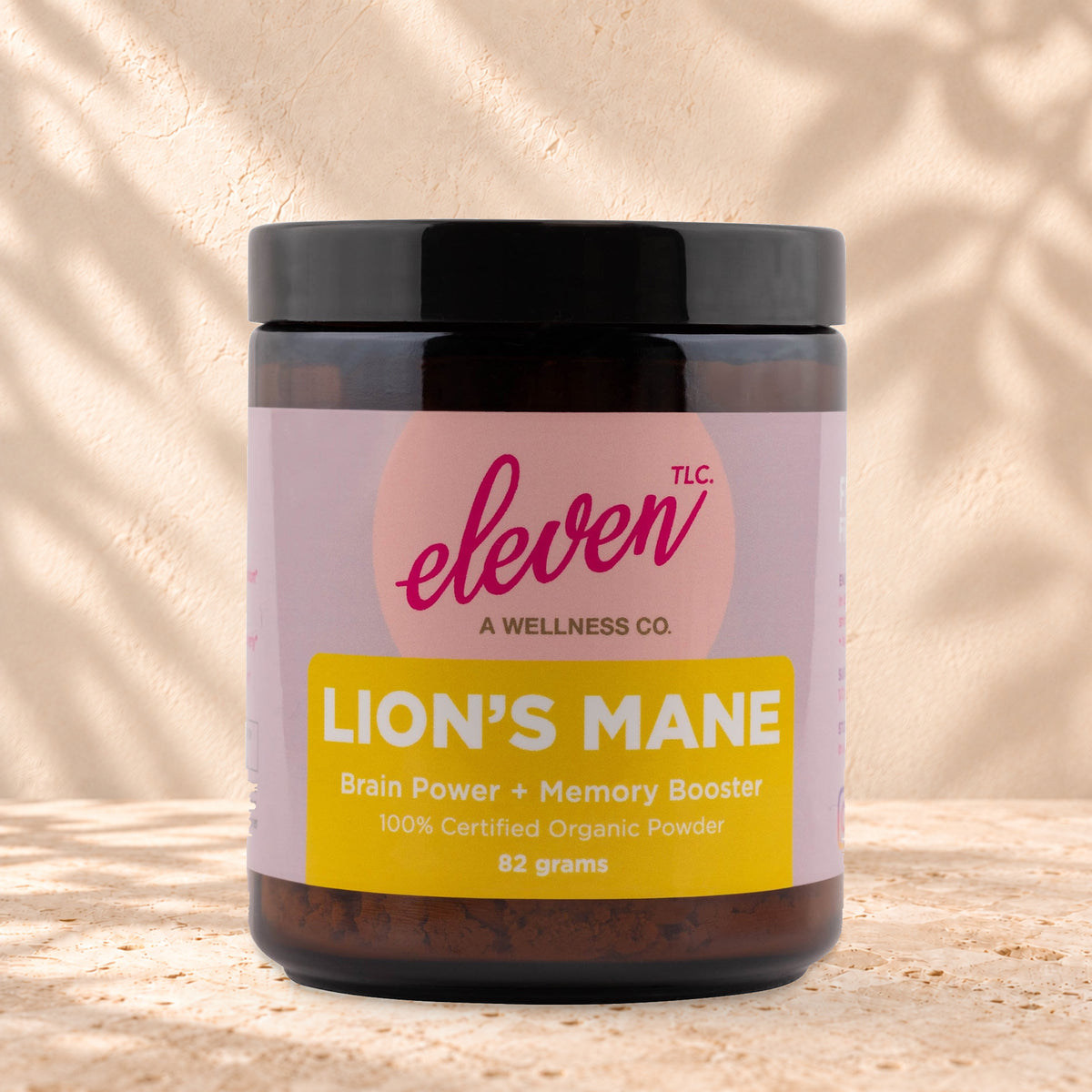
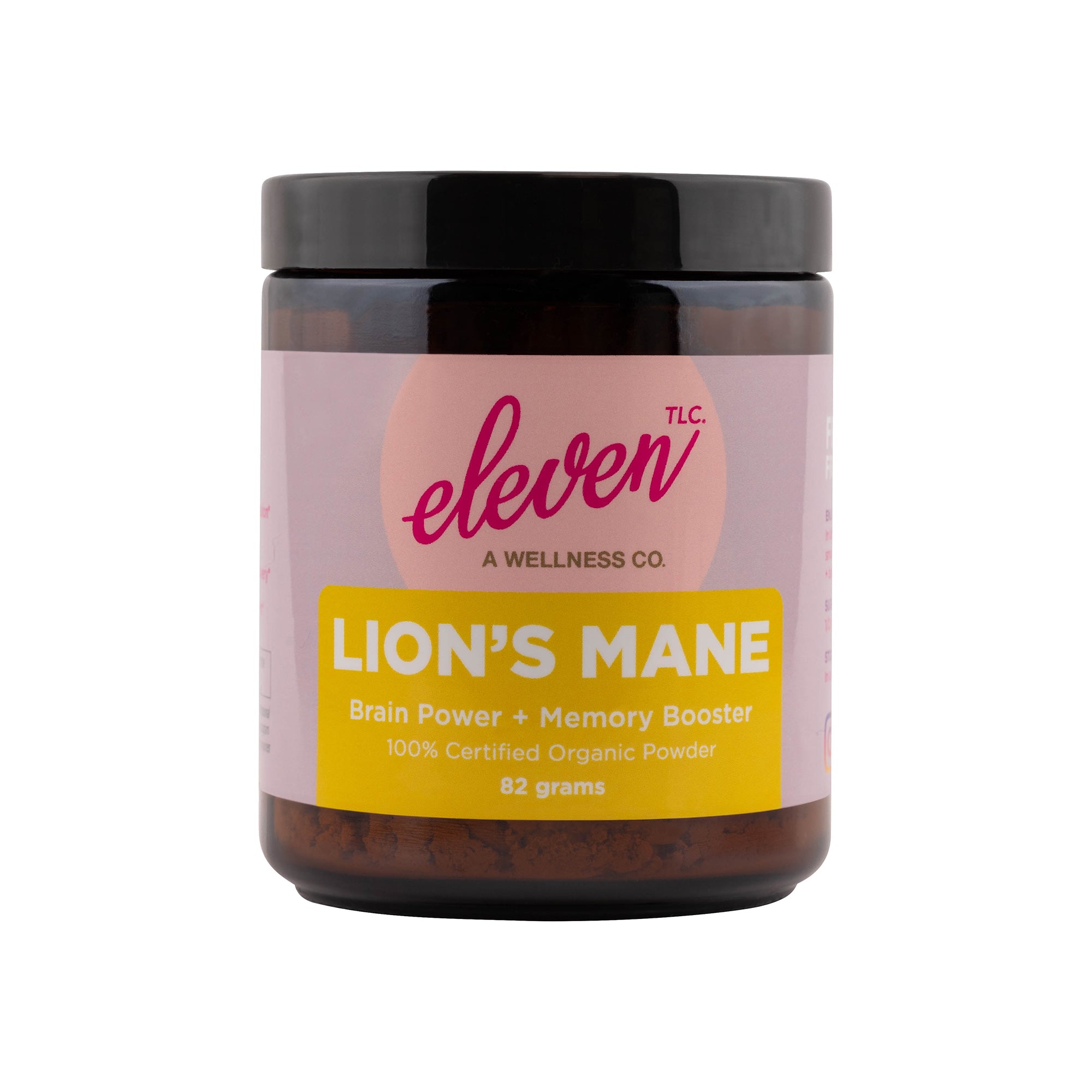
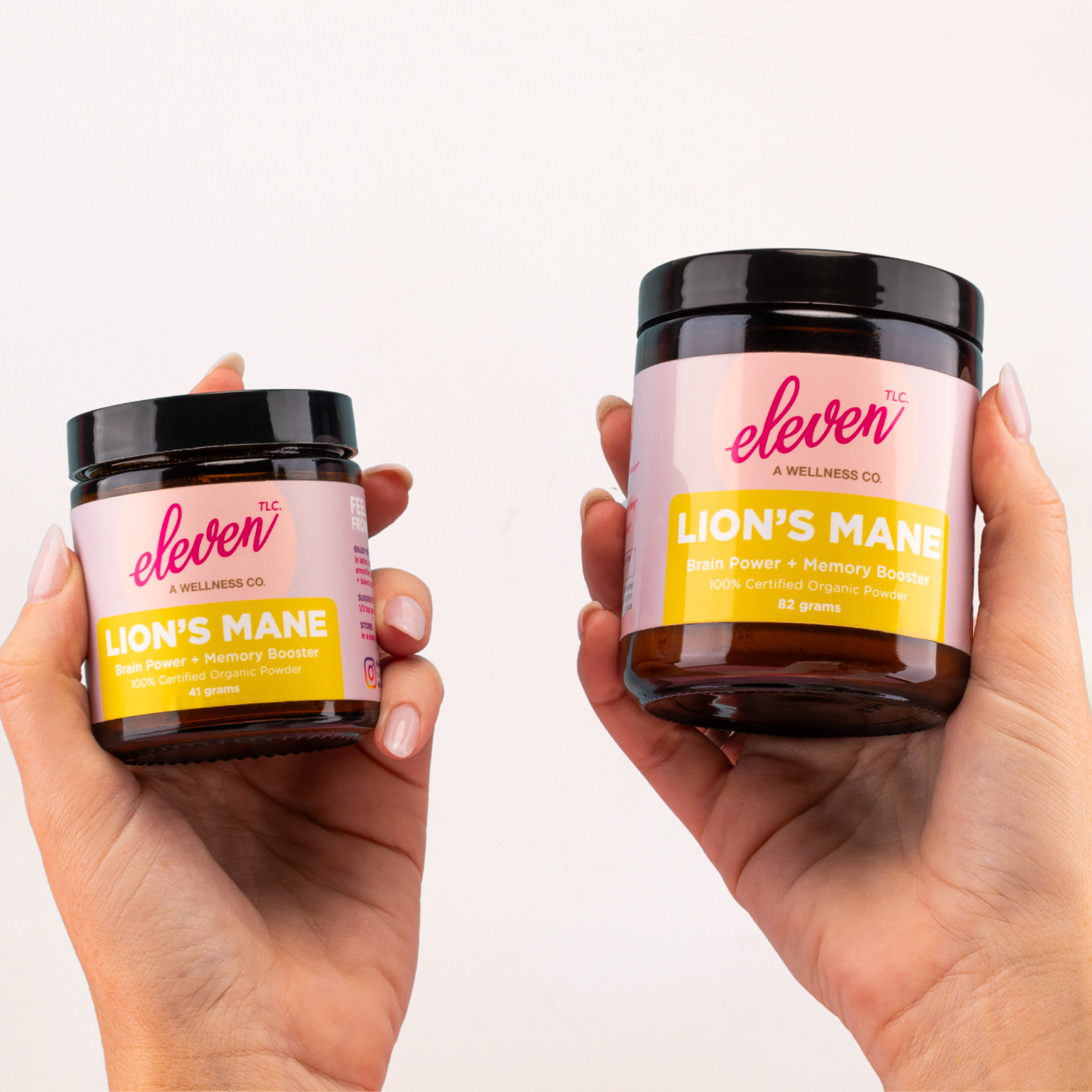
Organic Lion's Mane Mushroom Powder
$17.50
Benefits: Adaptogen, Focus & Clarity, Cognitive Enhancement, and Brain Health
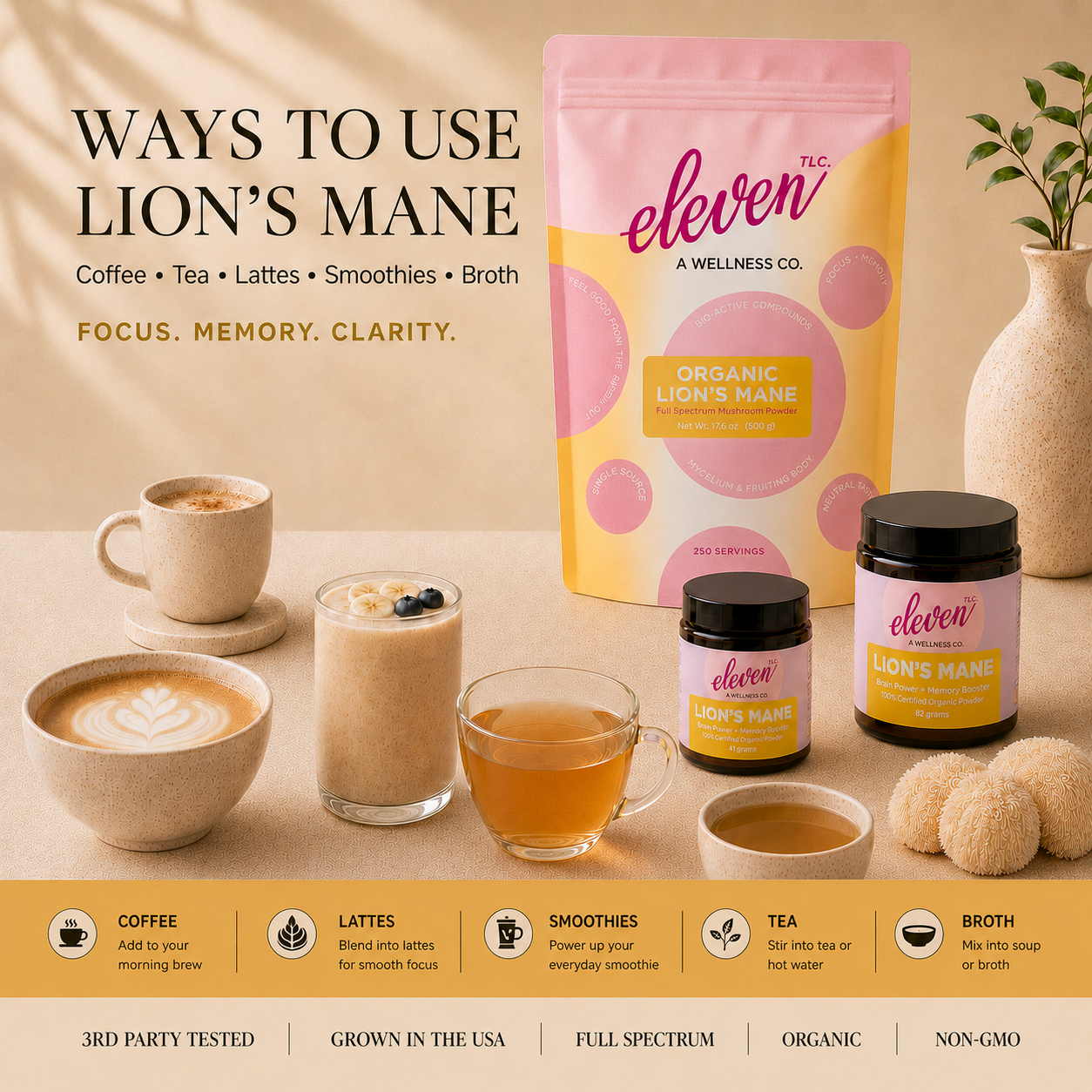
  • Neutral. Earthy and mild, layers cleanly into coffee, matcha, tea, smoothies, tonics, yogurt bowls, and savory dishes without overwhelming the base.

Organic Lion's Mane Mushroom Powder

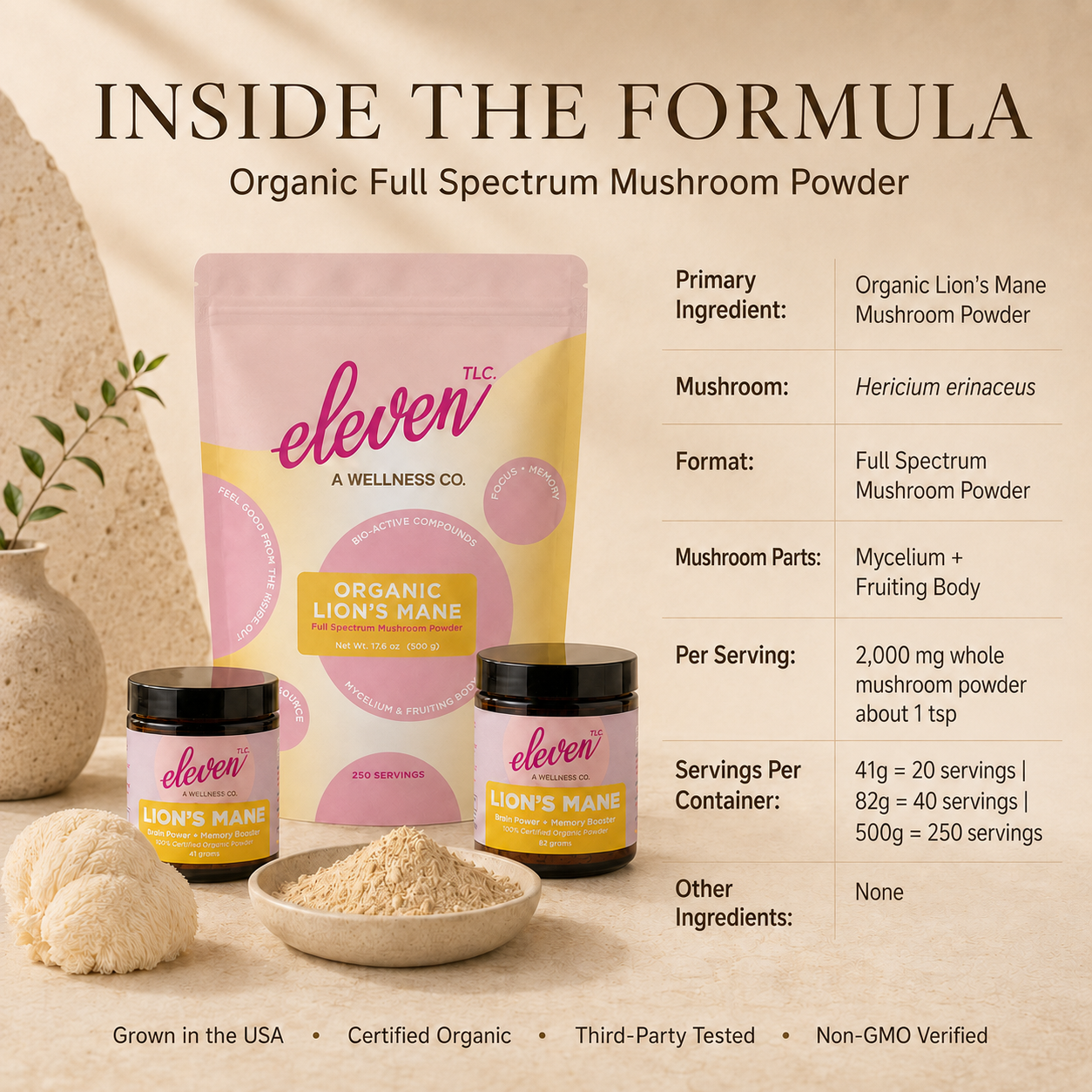
Lion's Mane is the bridge between cognitive demand and cellular capacity. A full-spectrum mushroom powder grown in the United States, made from both the mycelium and the fruiting body so the bioactive matrix arrives intact. One teaspoon, two thousand milligrams, mixed into coffee, matcha, tea, or a smoothie. Neutral taste, layers seamlessly into what you already drink.

How it works

Lion's Mane carries hericenones and erinacines, compounds studied for their role in supporting the body's own neural pathways. Alongside them, beta-glucans and polysaccharides nourish the gut-brain axis — the conversation between digestive health and mental clarity that recent research keeps returning to. The full-spectrum format means you receive what the mushroom actually contains, not a fraction of it.

What it supports

Neural Synergy — Supports cognitive function and mental clarity. Bio-Active Rich — Provides beta-glucan rich fungal compounds. Gut-Brain Axis — Whole-food matrix supports metabolic balance. Cellular Resilience — Adaptogenic mushroom compounds.

The Ritual

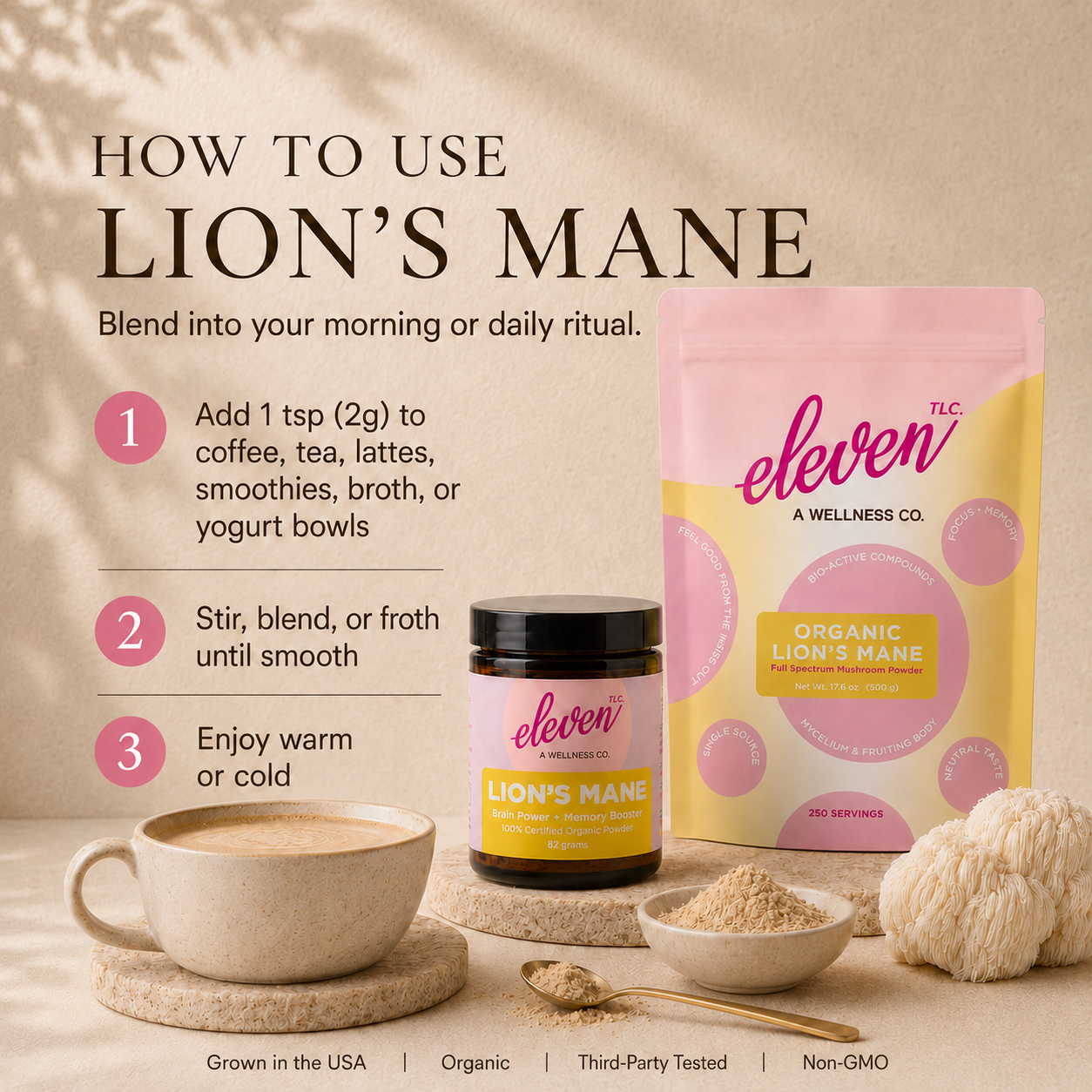
Mix one teaspoon into your morning coffee, latte, matcha, tea, or smoothie. Use it in tonics, yogurt bowls, or savory dishes. It dissolves cleanly into hot or cold applications.

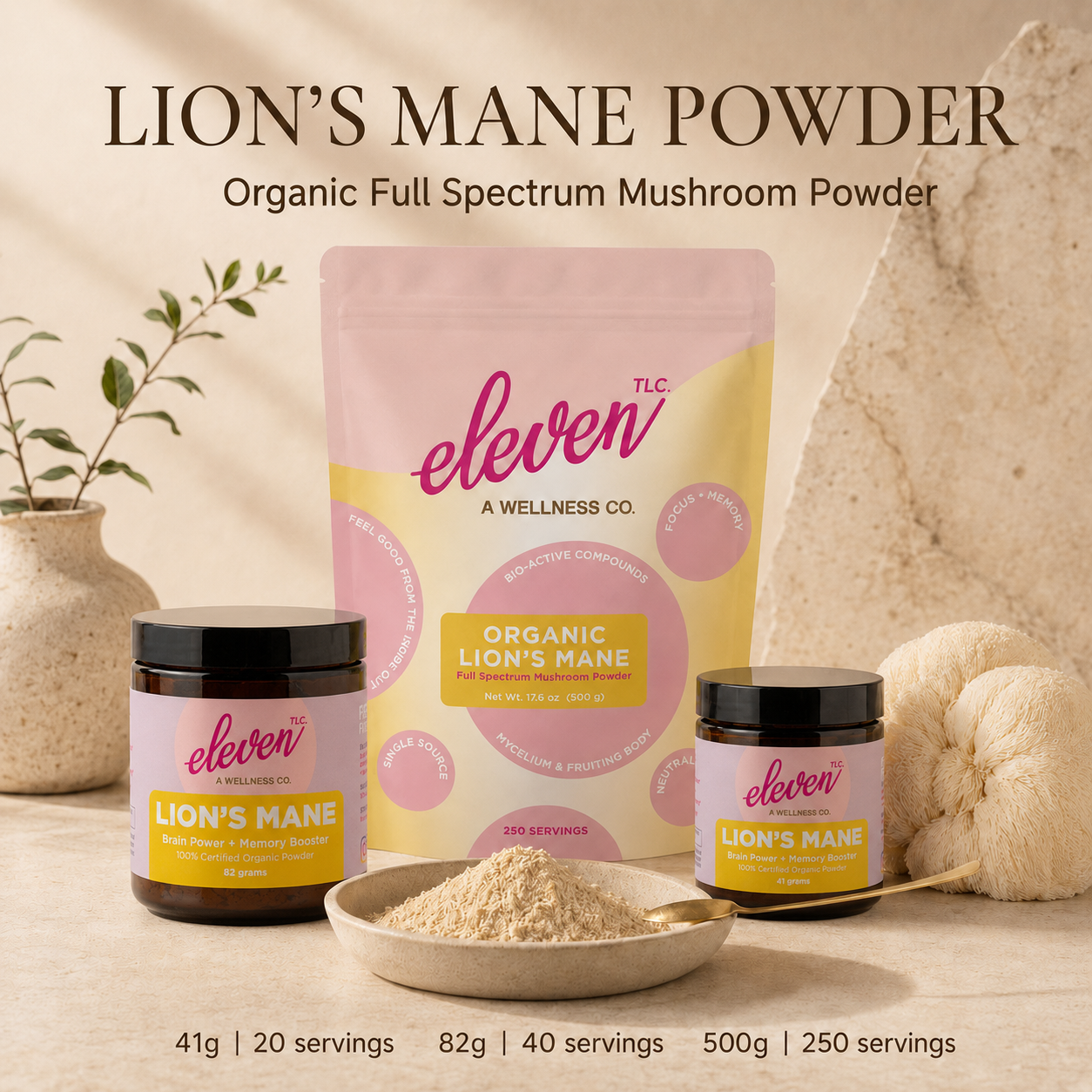
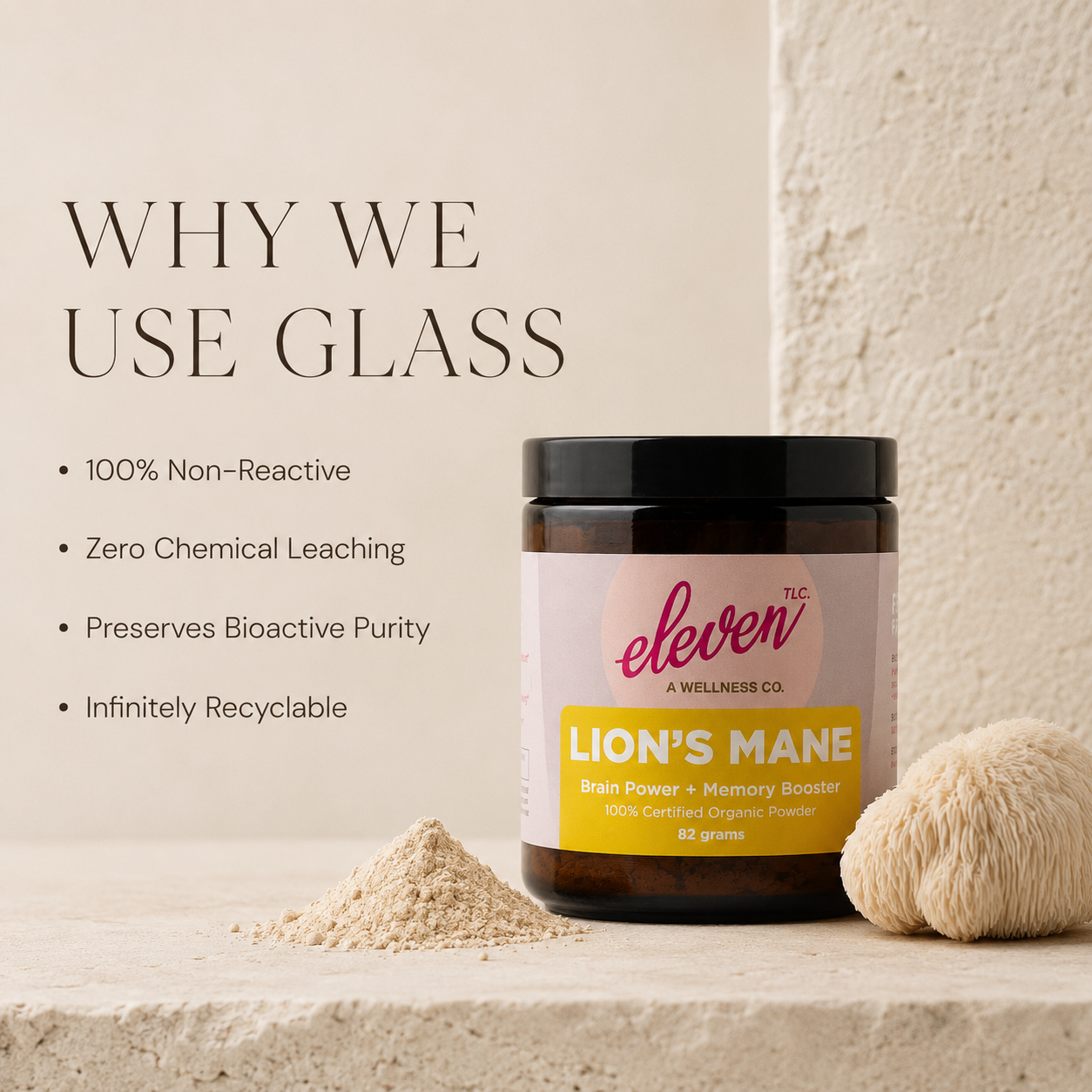
Available in three sizes: 41g (20 servings), 82g (40 servings), and 500g (250 servings). The 500g bag also serves as a refill for the glass jars — buy the jar once, refill from the bag.

Filtered to truth. Grown in the USA. Third-party tested.


41 grams | 20 servings
82 grams | 40 servings
500 grams | 250 Servings

Organic Lion's Mane Mushroom Powder (Hericium Erinaceus). Full spectrum — mycelium and fruiting body.

Mix one teaspoon (2000 mg) into coffee, matcha, tea, smoothies, lattes, tonics, yogurt bowls, or savory dishes. Dissolves cleanly into hot or cold applications. One serving per day for daily support; can be used twice daily.


Certified Organic, Gluten-free, Non-GMO, Vegan, Keto-Friendly + Kosher 

  • CERTIFID ORGANIC
  • Made in the USA: Produced in an NSF-certified facility.
  • Third Party Tested
  • NON-GMO Verified

Feeling Good is our no. 1 priority so we offer a 30-day guarantee. If you’re not thrilled with your purchase, you may return your package to us for a refund anytime within the first 30 days of your purchase. For further questions, contact us for assistance anytime at hi@eleventlc.com.

Learn about our full return policy here.

*These statements have not been evaluated by the Food and Drug Administration. This product is not intended to diagnose, treat, cure, or prevent any disease.

The information presented on this site or on social media is not intended to treat, cure, prevent or diagnose any disease or ailment. The information contained on this site is only for educational purpose and is not intended as a substitute for professional advise of any kind. Always consult with your doctor before doing anything that has to do with your health.*These statements have not been evaluated by the Food and Drug Administration. This product is not intended to diagnose, treat, cure, or prevent any disease.

Learn more about 🍄🍄🍄🍄🍄

Mushroom Extracts: Typically undergo single or dual extraction with water or alcohol to isolate specific compounds, but some nutrients may be lost in the process. Extracts are suitable for targeting specific compounds.

Mushroom Powders: Made by drying and powdering the whole mushroom, preserving more nutrients, including prebiotic fiber, and retaining a broader range of bioactive compounds due to minimal processing.

  • Fruiting Body: Often regarded as the most beneficial part due to its high concentration of bioactive compounds like beta-glucans and polysaccharides. However, it’s not the sole source of value in a mushroom.
  • Mycelium: The root-like structure of the mushroom, rich in unique compounds such as prebiotic fibers and metabolites that are not always present in the fruiting body. Mycelium can be grown on grains, which may dilute its purity if not carefully processed.

Pros & Cons:

  • Fruiting Body: Higher in beta-glucans; widely studied in traditional medicine. However, it requires extensive cultivation time and may miss other bioactive nutrients found in the mycelium.
  • Mycelium: Faster to produce and offers unique compounds for gut health and immune support but may have lower concentrations of beta-glucans depending on production methods.

Conclusion: Both the fruiting body and mycelium provide distinct benefits. A holistic approach, using the whole mushroom, often ensures a more complete nutritional profile.

Testing functional mushrooms is crucial for several reasons:

  1. Ensures Safety: Testing verifies that the product is free from harmful contaminants such as heavy metals, pesticides, molds, and bacteria, ensuring it’s safe for consumption.
  2. Confirms Potency: Validates the levels of bioactive compounds (e.g., beta-glucans, polysaccharides) to confirm the product delivers its promised health benefits.
  3. Standardizes Quality: Guarantees consistency across batches, ensuring customers receive a reliable product every time.
  4. Builds Trust: Third-party testing reassures consumers of the product’s integrity, fostering confidence in its efficacy and safety.
  5. Regulatory Compliance: Meets industry and legal standards, ensuring the product is compliant with health and wellness regulations.

Mushrooms have been cherished worldwide for centuries. In Russia, Chaga has long been used for vitality and immunity, while foraging for mushrooms is a cultural tradition. Similarly, in Japan and Korea, mushrooms like Reishi and Shiitake have been integral to medicine and cuisine, and Nordic cultures value Chaga for its benefits in cold climates. From Indigenous North America to Mesoamerica, mushrooms have played key roles in health and wellness.